Many people around me often say:
“People in old times used to live much longer.”
“Our grandparents were stronger.”
“Nowadays life is becoming shorter.”
And honestly, I also used to think about this a lot.
But after observing things carefully, I feel the reality may be little different from what we emotionally remember.
One interesting thing I noticed is that older generations looked old much earlier than people today.
Their clothing style, long moustaches, dhoti-kurta, dupatta, simple village lifestyle, and rough appearance made even 50–60 year old people look like 80-year-old people to us.
Today things are very different.
Now even people in their 60s or 70s:
- wear modern clothes
- stay active
- color hair
- use skincare
- follow fitness
- look younger visually
So sometimes when someone dies at 60 today, people feel:
“Life has become shorter.”
But I don’t think we can calculate life expectancy emotionally by observing only few people around us.
We should calculate it scientifically:
- how many children are born
- how many survive
- how many die early
- how diseases affect population
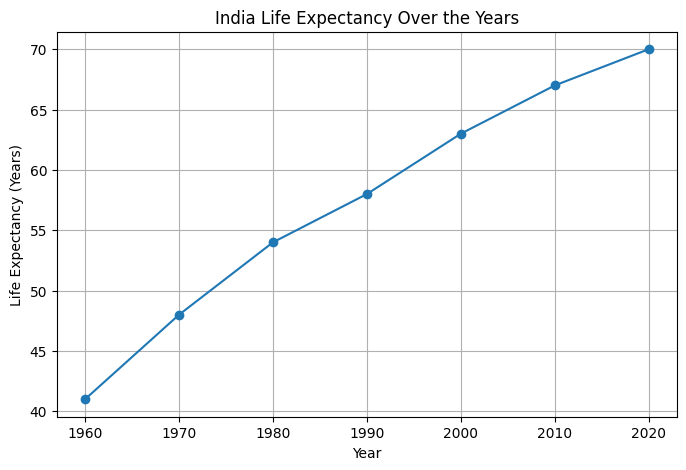
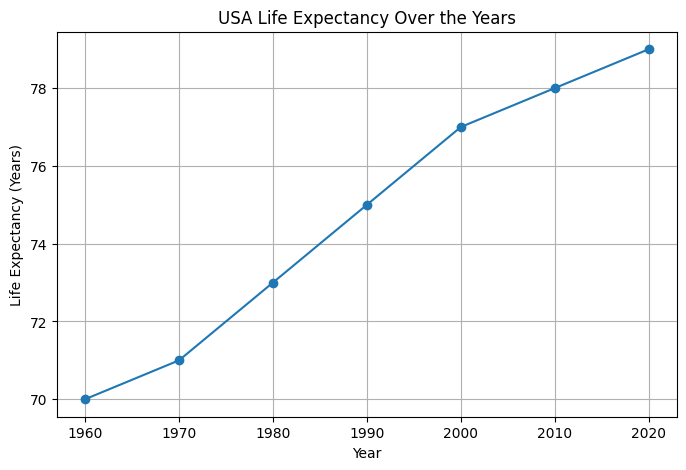
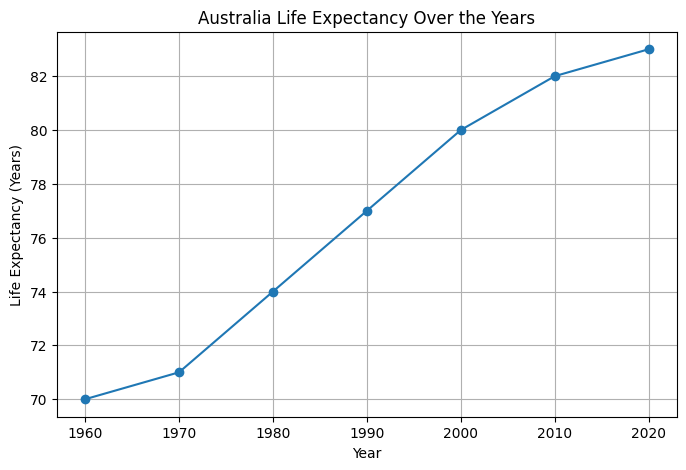
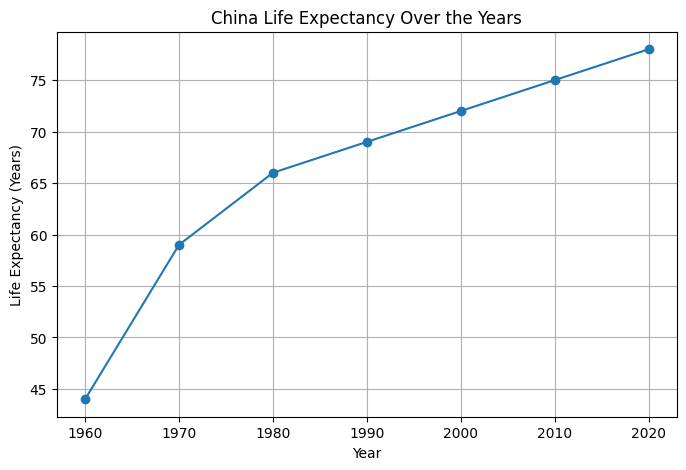
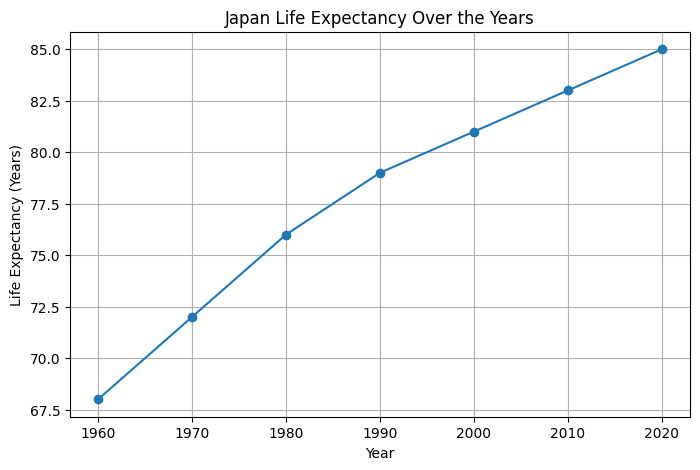
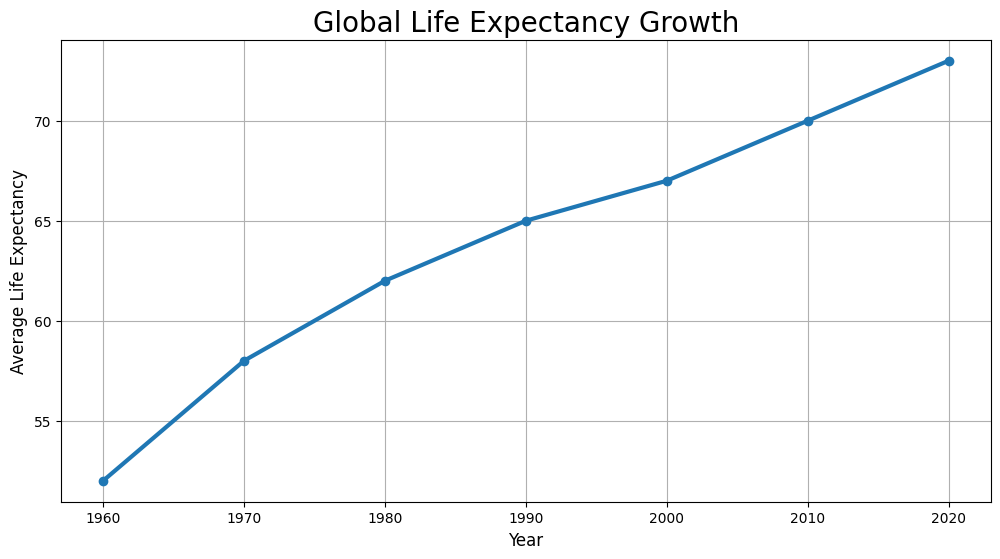
And when we look at history from that angle, I personally feel human life expectancy has actually increased massively.
At our grandfather’s or even father’s time, families often had many children.
But sadly:
- some children died before birth
- some died during birth
- some died within months or few years
At that time many dangerous diseases existed which could wipe out entire villages.
Diseases like:
- smallpox
- cholera
- plague
- measles
- severe infections
killed huge numbers of people.
Today many people cannot even imagine how dangerous those times were medically.
Back then population growth was not exploding because:
- birth rate was high
- but death rate was also very high
In many families, parents were never fully sure how many children would actually survive into adulthood.
Then vaccines and modern medicine slowly changed everything.
One of the biggest turning points was the control of diseases like smallpox through vaccination programs around the world.
After vaccines became common, survival rates increased dramatically.
And we can clearly see population growth exploding globally after 1980s.
Today, in many countries:
- most children survive birth
- infant mortality is much lower
- infections are controlled better
- medical care is far more advanced
Earlier maybe only around half or some percentage of children survived safely in many regions.
Today survival rates are dramatically higher.
That itself shows a huge increase in overall life expectancy and human survival.
Because if life expectancy had not improved, the world population would not have exploded so rapidly.
Of course, even today many diseases still exist:
- cancer
- heart disease
- genetic disorders
- mental health problems
- lifestyle diseases
Humanity still has many medical challenges ahead.
But compared to older centuries, medicine has already changed human survival completely.
And honestly, I feel future generations may live even longer if medical science continues progressing the same way.
At the same time, modern life also created new problems:
- stress
- screen addiction
- unhealthy food
- lack of sleep
- less physical activity
- mental pressure
So maybe today we are medically stronger but mentally more exhausted.
That is probably why many people emotionally feel life is becoming shorter or faster.
In the end, I personally feel:
human life expectancy has increased significantly overall, even if our emotional perception sometimes says otherwise.
And maybe the biggest difference is not only how long people live…
but also how differently we experience time, health, stress, and life itself compared to older generations.
You can also check life expectancy graphs of different countries over the years below.